
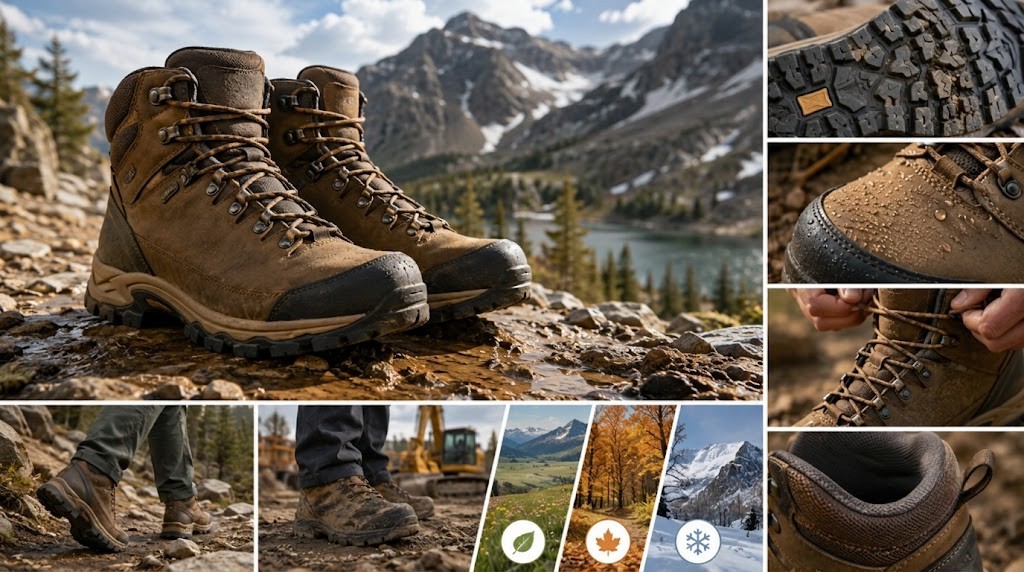
The Comprehensive Guide to Rugged Footwear for Hiking and Work
Whether you're climbing rocky mountain trails or working long hours on demanding job sites, the right footwear is not just an accessory — it’s essential equipment. Rugged footwear designed for hiking and work environments provides durability, protection, stability, and comfort in tough conditions.
From outdoor adventures to industrial workplaces, choosing the right boots can improve performance, reduce fatigue, and protect your feet from injuries. In this comprehensive guide, we’ll explore how to choose the best rugged footwear for hiking and work environments.
Why Rugged Footwear Matters
Ordinary shoes are not built to withstand rough terrain, heavy loads, sharp objects, or long work shifts. Rugged footwear is specially engineered to handle extreme conditions while providing safety and comfort.
Benefits of Rugged Footwear
- Protects feet from impact and sharp hazards
- Provides traction on slippery or uneven surfaces
- Supports ankles and arches under heavy strain
- Resists wear and tear in harsh environments
- Improves comfort during long hours of activity
Whether you’re trekking through mountains or working on construction sites, high-quality boots are essential for safety and durability.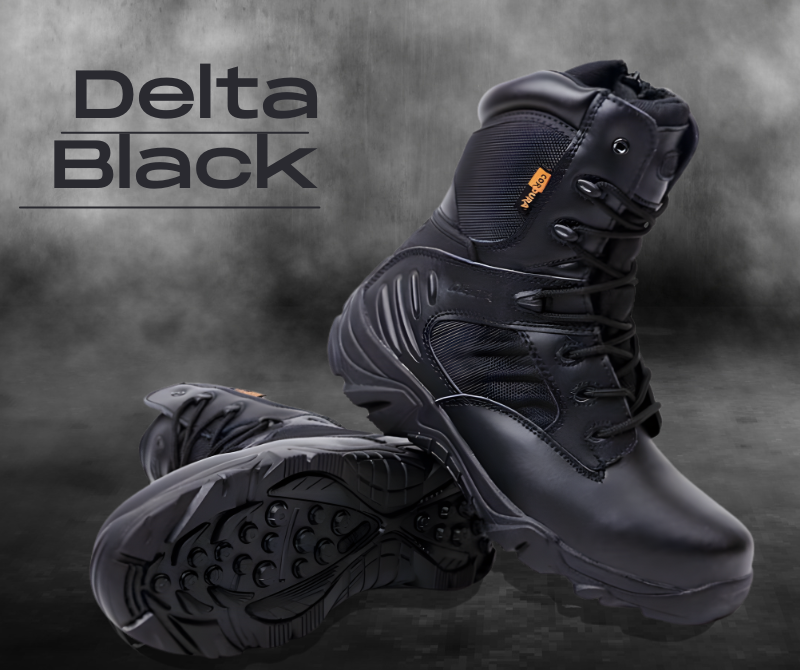
Hiking Boots vs Work Boots: Understanding the Difference
Although hiking boots and work boots may appear similar, they are designed for different purposes.
Hiking Boots
Hiking boots prioritize flexibility, grip, and long-distance comfort.
Key Features:
- Lightweight construction
- Flexible movement
- Breathable materials
- Aggressive outdoor traction
- Shock absorption for trails
Hiking footwear is ideal for mountain trails, trekking, camping, and outdoor exploration.
Work Boots
Work boots focus on protection and industrial safety.
Common Features:
- Steel toe or composite toe protection
- Slip-resistant soles
- Oil-resistant outsoles
- Heavy-duty construction
- Electrical hazard protection
These boots are designed for construction, warehouses, factories, and industrial work environments.
Hybrid Boots
Modern hybrid rugged footwear combines hiking comfort with workplace safety features, making them ideal for people who need versatile performance.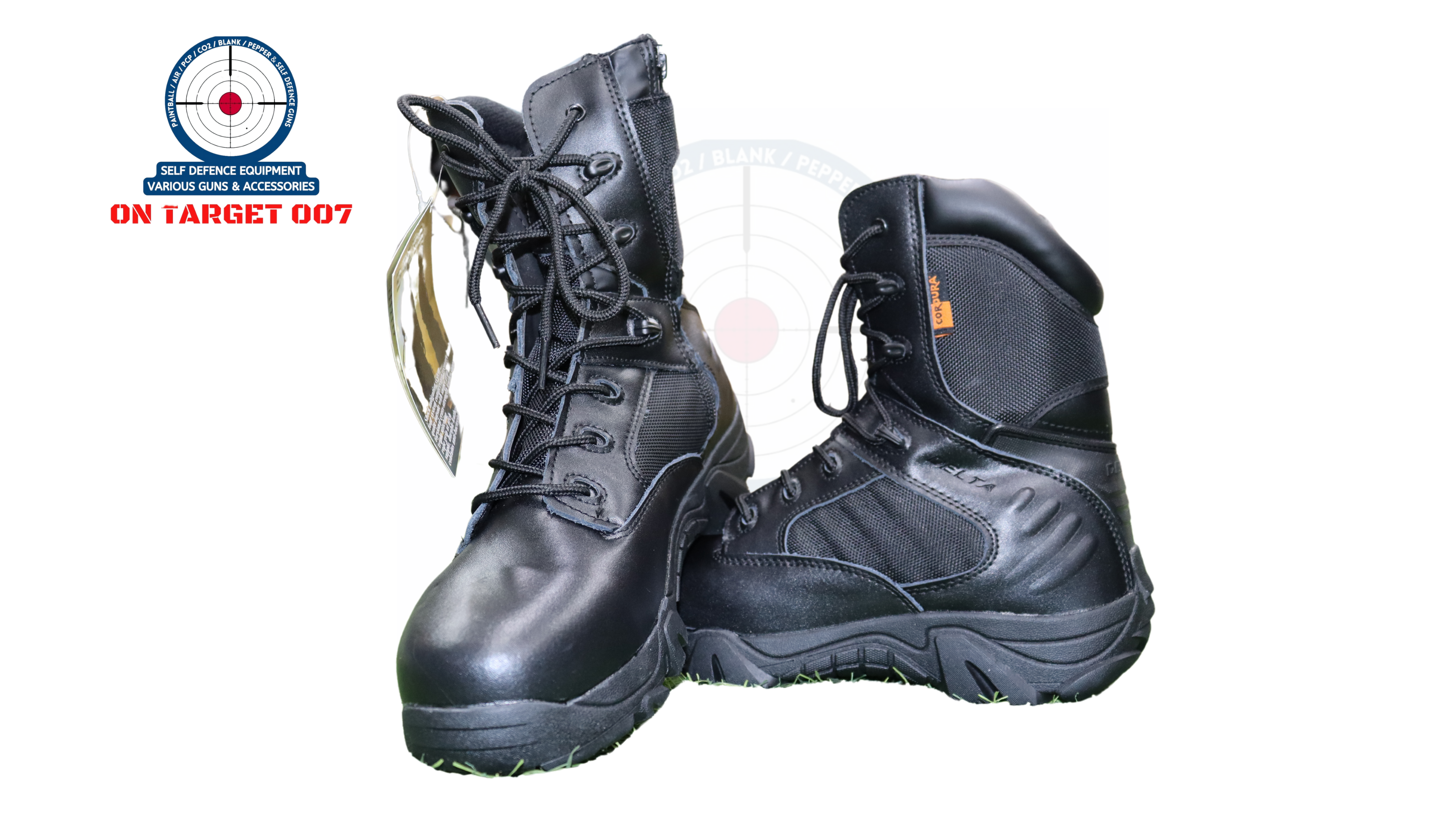
Best Materials for Durable Rugged Footwear
The quality of materials determines the lifespan, comfort, and performance of rugged boots.
Full-Grain Leather
Full-grain leather is one of the strongest and most durable materials available.
Benefits:
- Highly durable
- Water-resistant
- Long-lasting performance
- Excellent protection
Ideal for harsh outdoor and industrial conditions.
Nubuck Leather
Nubuck leather offers durability with a softer texture and smoother appearance.
Advantages:
- Comfortable flexibility
- Stylish finish
- Good resistance to wear
Synthetic Materials
Synthetic rugged footwear is lightweight and affordable.
Benefits:
- Quick-drying
- Breathable
- Budget-friendly
- Lightweight performance
Perfect for hiking and moderate outdoor activities.
Importance of Traction & Sole Construction
A rugged boot is only as reliable as its grip.
Look for:
- Deep multi-directional lugs
- Slip-resistant rubber soles
- Shock-absorbing midsoles
- Oil- and chemical-resistant outsoles
For hiking, aggressive tread patterns improve traction on:
- Mud
- Gravel
- Wet rocks
- Mountain trails
For workplaces, anti-slip protection is essential for safety.
Essential Protection Features
The best rugged footwear should include safety-focused features based on your environment.
Important Safety Features
Steel Toe or Composite Toe
Protects feet from heavy falling objects.
Waterproof Membranes
Keeps feet dry in wet conditions.
Puncture-Resistant Soles
Prevents injuries from sharp objects.
Ankle Support
Reduces twisting injuries and improves stability.
Electrical Hazard Protection
Important for industrial and construction environments.
Comfort Matters for Long Hours
Comfort is critical for both hiking adventures and long work shifts.
Features That Improve Comfort:
- Cushioned insoles
- Arch support
- Breathable lining
- Moisture-wicking materials
- Proper weight distribution
Poor-quality boots can cause:
- Foot fatigue
- Blisters
- Joint pain
- Long-term foot problems
Always prioritize ergonomic support and proper fit.
How to Choose the Right Fit
Even premium rugged footwear will fail if the fit is incorrect.
Tips for Proper Boot Fitting
- Try boots in the afternoon when feet naturally expand
- Wear hiking or work socks during fitting
- Ensure enough toe room
- Heel should stay secure while walking
- Avoid tight pressure points
A snug but comfortable fit improves safety, stability, and comfort.
Waterproof vs Breathable Footwear
Choosing between waterproof and breathable footwear depends on your environment.
Waterproof Boots
Best for:
- Wet climates
- Snowy environments
- Muddy trails
- Rainy work conditions
Advantages:
- Keeps feet dry
- Better weather protection
Disadvantages:
- May trap heat
Breathable Boots
Best for:
- Hot climates
- Dry hiking trails
- Long-distance walking
Advantages:
- Better airflow
- Reduced sweating
- Cooler comfort
Modern rugged boots often combine waterproof membranes with breathable technology for balanced performance.
Maintenance Tips for Long-Lasting Footwear
Proper maintenance increases durability and performance.
Rugged Footwear Care Tips
- Clean mud and dirt after use
- Dry naturally away from direct heat
- Apply leather conditioner regularly
- Store in cool, dry areas
- Replace worn insoles when needed
Well-maintained boots can last for many years.
Why Rugged Footwear is a Smart Investment
Quality rugged footwear is an investment in:
- Safety
- Comfort
- Productivity
- Outdoor performance
Although premium boots may cost more initially, they often:
- Last longer
- Offer superior protection
- Provide better support
- Reduce injury risks
Choosing high-quality hiking boots or work boots saves money over time.
Best Rugged Footwear for Different Needs
| Activity | Recommended Footwear |
|---|---|
| Mountain Hiking | Lightweight hiking boots |
| Construction Work | Steel toe work boots |
| Camping | Waterproof hiking boots |
| Industrial Jobs | Slip-resistant work boots |
| Outdoor Adventure | Hybrid rugged boots |
Final Thoughts
Whether you’re conquering mountain trails or managing physically demanding job sites, rugged footwear plays a critical role in your safety, comfort, and performance.
The right pair of boots provides:
- Stability
- Protection
- Long-lasting durability
- All-day comfort
Before buying, carefully evaluate your environment, comfort needs, durability expectations, and safety requirements. Investing in premium rugged footwear ensures every step is supported, protected, and ready for the challenge ahead.