
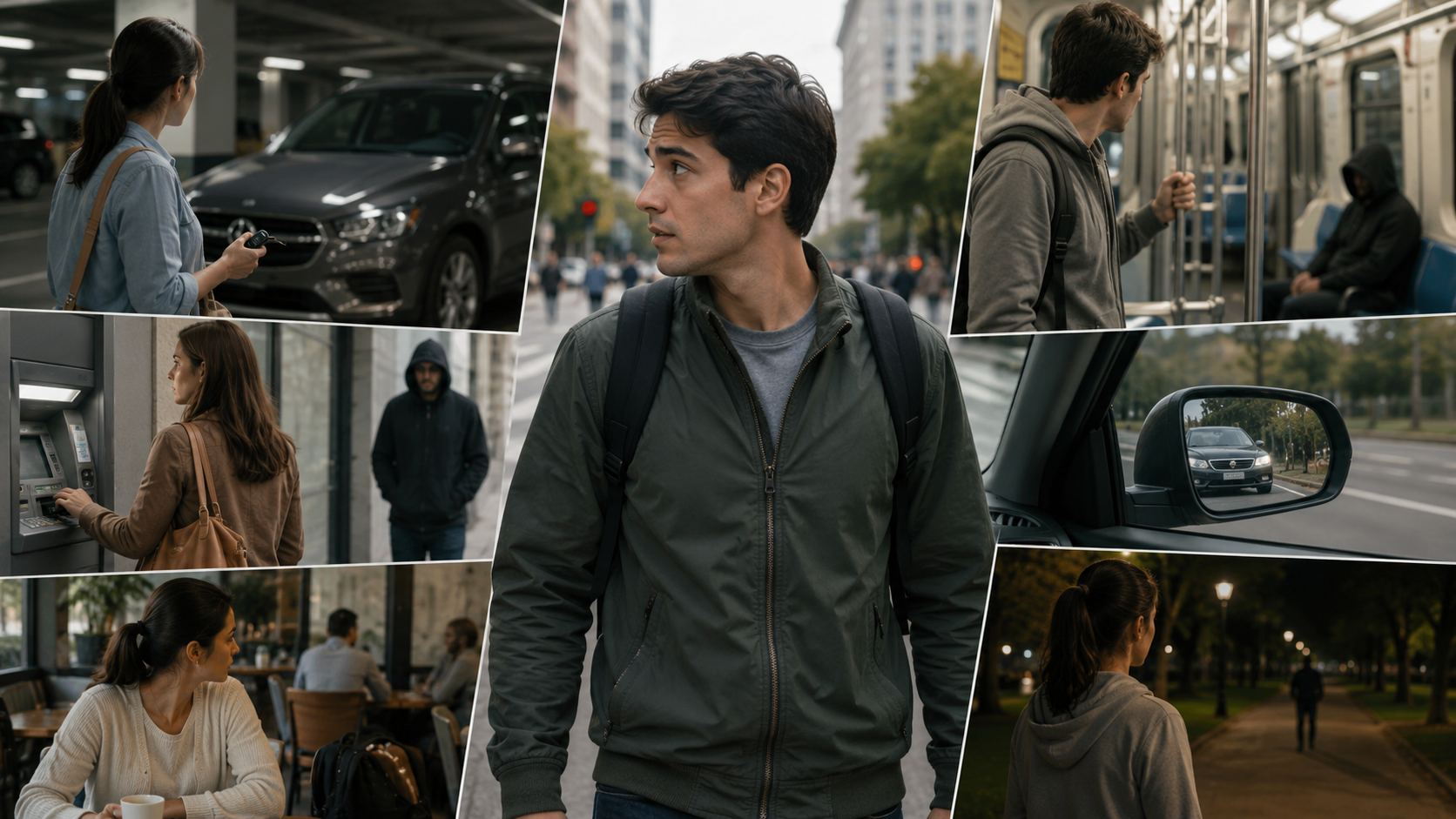
Situational awareness is the ability to observe your surroundings, recognize potential risks, and understand what is happening around you in real time. It involves paying attention to people, locations, exits, behaviors, and environmental changes that could affect your safety.
Instead of living in fear, situational awareness encourages mindful observation and calm preparedness.
People with strong situational awareness often:
- Notice unusual behavior quickly
- Identify exits and safe routes automatically
- Avoid distractions in unfamiliar areas
- Respond more effectively during emergencies
- Feel more confident in public settings
This skill is valuable at home, while driving, during travel, at work, and in outdoor environments.
Why Situational Awareness Matters Today
Modern life comes with constant distractions. Smartphones, headphones, social media, and multitasking can reduce awareness of what is happening nearby. Unfortunately, distracted individuals are often easier targets for theft, scams, accidents, and unsafe encounters.
Developing awareness skills helps you:
- Avoid dangerous situations early
- Improve personal confidence
- Make smarter travel decisions
- Stay safer during emergencies
- Protect family members and children
- Reduce panic during stressful moments
Situational awareness is not paranoia. It is simply learning to stay mentally present.
Common Situations Where Awareness Is Important
Parking Lots and Garages
Parking areas are one of the most common places where people become distracted. Many individuals focus on their phones, bags, or car keys instead of observing their surroundings.
Safety habits for parking areas include:
- Keep your head up while walking
- Scan nearby vehicles and entrances
- Have your keys ready before reaching your car
- Avoid isolated sections when possible
- Lock your vehicle immediately after entering
If something feels unusual, trust your instincts and move toward a populated area.
Public Transportation
Buses, trains, and rideshare services place you near unfamiliar individuals in constantly changing environments.
To improve safety during transportation:
- Stay aware of exits
- Avoid displaying valuables openly
- Sit near other passengers when possible
- Monitor your belongings closely
- Share trip details with trusted contacts during long travel
Awareness during transit is especially important at night or in unfamiliar cities.
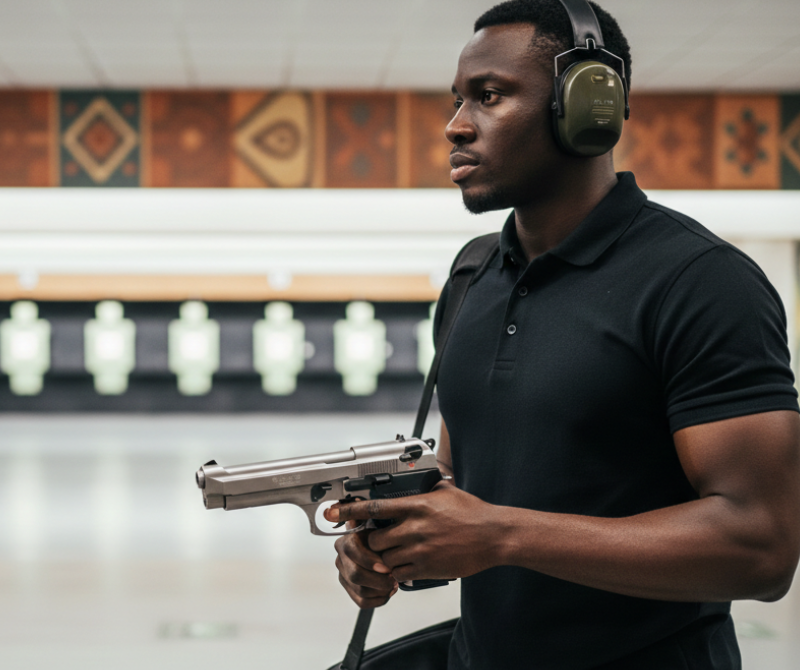
Shopping Centers and Crowded Areas
Crowded places can create confusion and distraction. While most public spaces are safe, staying alert helps you react quickly if an emergency occurs.
Helpful awareness tips include:
- Identify exits after entering a building
- Keep personal belongings secured
- Watch for aggressive or unusual behavior
- Establish meeting points for family members
- Avoid becoming completely absorbed in your phone
Simple preparation can make emergencies easier to handle.
How to Improve Situational Awareness Daily
Limit Digital Distractions
Phones are one of the biggest awareness barriers today. Constant texting, scrolling, or wearing noise-canceling headphones can reduce reaction time and limit observation.
Try these habits:
- Pause phone use while walking
- Lower headphone volume in public
- Look around regularly when traveling
- Stay mentally engaged with your environment
Even brief moments of attention can improve awareness dramatically.
Trust Your Instincts
Many people ignore early warning signs because they fear appearing rude or overreacting. However, intuition often notices subtle details before the conscious mind fully processes them.
If a situation feels wrong:
- Leave the area calmly
- Move toward populated spaces
- Contact someone you trust
- Seek assistance if necessary
Listening to your instincts can help you avoid unnecessary risks.
Teaching Situational Awareness to Children
Children can learn awareness skills without becoming fearful.
Important lessons include:
- Knowing trusted adults
- Recognizing safe public places
- Memorizing emergency phone numbers
- Staying aware in parking lots
- Understanding when to seek help
Teaching awareness early helps children develop safer habits as they grow older.
Thoughts
Situational awareness is one of the most valuable personal safety skills anyone can develop. It does not require fear, expensive tools, or advanced training. Instead, it starts with paying attention, reducing distractions, and staying mentally present in your environment.
By practicing awareness daily, you can improve confidence, make smarter decisions, and respond more effectively to unexpected situations. Whether at home, in public, or outdoors, small awareness habits can have a major impact on overall safety and preparedness.
The goal is not to live in fear it is to move through life with greater confidence, observation, and control.