
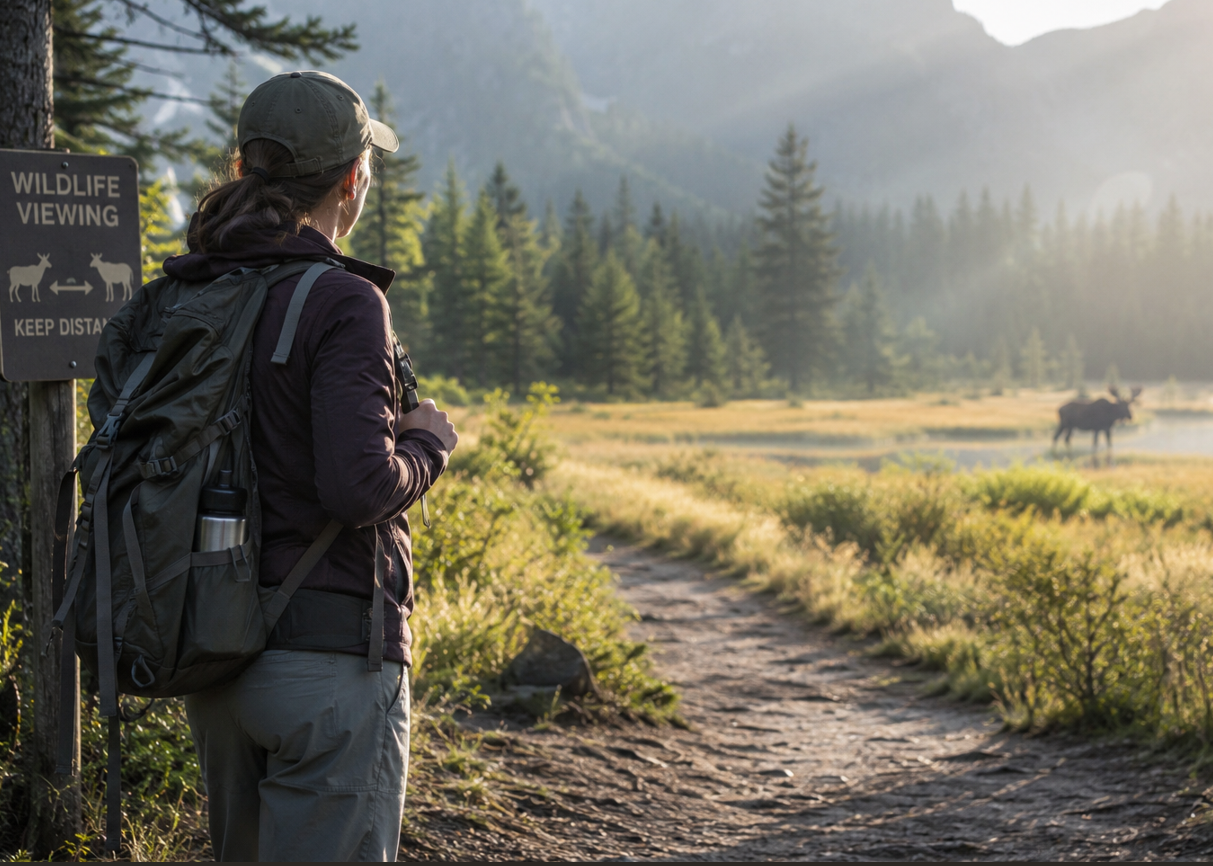
How to Stay Safe Around Wild Animals in Outdoor Areas
Outdoor adventures bring freedom, fresh air, and connection with nature—but they also come with risks that many people underestimate. Wildlife encounters are rare in most areas, but when they do happen, your reaction and awareness can make a major difference.
Wildlife safety is not about fear. It is about understanding animal behavior, respecting natural habitats, and knowing how to respond calmly in unexpected situations. Whether you are hiking, camping, trekking, or exploring remote areas, wildlife awareness is a skill that improves both your safety and confidence.
This guide will help you understand how to recognize wildlife risks, avoid dangerous encounters, and stay safe in natural environments.
What Is Wildlife Awareness?
Wildlife awareness is the ability to observe, understand, and respond appropriately to animals in their natural environment. It involves recognizing signs of animal presence, maintaining safe distance, and avoiding behaviors that may trigger defensive reactions.
Instead of reacting with panic, wildlife-aware individuals:
- Stay calm in unexpected encounters
- Understand basic animal behavior
- Avoid provoking or attracting animals
- Use prevention as the first line of safety
- Make informed decisions in outdoor spaces
The goal is coexistence and prevention, not confrontation.
Common Wildlife Encounter Situations
Hiking Trails and Forest Areas
Forest trails are natural habitats for many animals. Most wildlife will avoid humans, but surprises can happen if you are not paying attention.
Safety practices:
- Stay on marked trails
- Make gentle noise while walking
- Watch for tracks, droppings, or broken branches
- Avoid thick bushes or hidden areas
- Travel in groups when possible

Camping Areas
Camping increases exposure to wildlife, especially at night when animals are more active.
Important precautions:
- Store food securely away from tents
- Avoid leaving trash exposed
- Use sealed containers for scented items
- Keep your campsite clean
- Avoid sleeping with food nearby

Remote and Mountain Regions
Remote areas have fewer human disturbances, meaning wildlife may be more active and less familiar with people.
Key awareness habits:
- Research local wildlife before traveling
- Carry basic safety equipment
- Avoid wandering off alone
- Stay alert during sunrise and sunset hours
- Maintain a safe distance from any animals
How to Improve Wildlife Awareness
Learn to Read Animal Signs
Animals often leave signs before you ever see them.
Look for:
- Footprints or tracks
- Broken vegetation
- Fresh droppings
- Unusual bird silence (can indicate predator presence)
- Scratching marks on trees
Recognizing these signs helps you avoid entering active wildlife zones.
Make Noise While Moving
Most wild animals avoid humans when they are aware of their presence.
Simple techniques:
- Talk normally while hiking
- Clap occasionally in dense areas
- Attach small bells to gear if needed
- Avoid silent movement in thick forest regions
This gives animals time to move away safely.
Avoid Feeding Wildlife
Feeding animals—even unintentionally—can create dangerous habits.
Avoid:
- Leaving food scraps behind
- Feeding animals for photos
- Leaving scented packaging open
- Storing food inside sleeping areas
Once animals associate humans with food, encounters become more likely.
Maintain Safe Distance
Even calm-looking animals can become defensive if they feel threatened.
General rule:
- Never approach wild animals
- Use zoom lenses for photography
- Slowly back away if an animal is nearby
- Avoid sudden movements or loud noises
Respecting space is one of the most effective safety habits.
What To Do During a Wildlife Encounter
Stay Calm
Panic can lead to poor decisions. Most wildlife reacts to your behavior more than your presence.
- Do not run
- Do not scream
- Keep movements slow and controlled
Assess the Situation
Try to understand:
- Is the animal aware of you?
- Is it defensive or neutral?
- Is there a clear exit path?
Slowly Back Away
If the animal has not approached:
- Move away slowly
- Avoid direct eye aggression
- Do not turn your back abruptly
Protect Yourself if Needed
In rare close encounters:
- Stay upright to appear larger
- Keep objects (bag, stick) between you and animal
- Move toward open, safe areas
Wildlife Safety in Camping Situations
Camping requires extra preparation because you are staying in animal territory overnight.
Best practices:
- Set up camps in open, visible areas
- Avoid dense bushes or animal trails
- Store food far from sleeping areas
- Keep tents zipped at all times
- Use flashlights at night when moving
Clean campsites reduce wildlife attraction significantly.
Teaching Wildlife Awareness to Beginners
For beginners and families:
- Teach children not to approach animals
- Explain safe distance rules
- Show animal tracks and signs
- Practice quiet observation instead of chasing wildlife
- Encourage respect for nature, not fear
Education helps build responsible outdoor behavior.
Wildlife Awareness and Confidence
The more you understand wildlife behavior, the less fear you feel in nature. Confidence comes from preparation—not confrontation.
People with strong wildlife awareness:
- Explore outdoor areas more comfortably
- React calmly in unexpected situations
- Make better travel and hiking decisions
- Respect nature while staying safe
Final Thoughts
Wildlife awareness is an essential outdoor safety skill for anyone who spends time in nature. It is not about avoiding the outdoors—it is about learning how to move through it responsibly and intelligently.
By understanding animal behavior, staying alert to environmental signs, and following simple safety habits, you can significantly reduce risk and improve your overall outdoor experience.
Nature is not dangerous by default—lack of awareness is what creates danger. With the right mindset, you can explore confidently while respecting the wildlife around you.